
When constructing or upgrading a frozen vegetable processing plant, the choice of freezing technology is a core factor determining product quality, production efficiency, and market competitiveness. Particularly in modern food processing, IQF technology has become a major trend for enhancing product quality and production efficiency. However, traditional freezing methods still hold value in specific scenarios. This article will help you gain a deeper understanding of both technologies and make the most suitable equipment selection.
Fundamental Differences in Freezing Technologies
Traditional freezing systems typically employ large cold storage rooms or plate/tunnel freezers, using cold air to freeze an entire batch of products simultaneously within a single space. This method suits bulk products but results in slow freezing speeds and significant temperature differentials between the product surface and core. This often leads to large ice crystal formation, damaging cellular structures. After prolonged freezing, thawing products frequently exhibit issues like softened texture, nutrient loss, and product sticking.
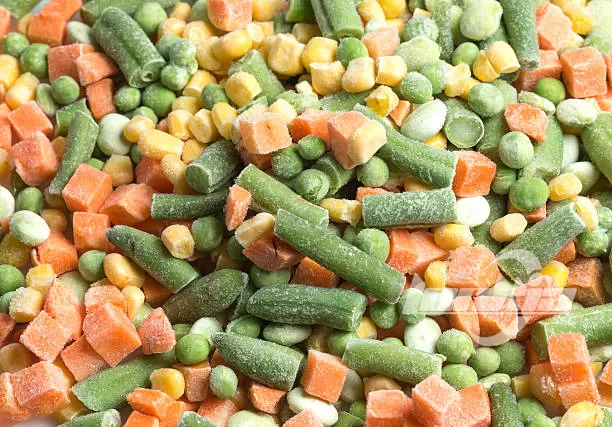
In contrast, IQF technology employs high-velocity cold airflow and fluidized bed design to rapidly freeze each individual product. This significantly reduces ice crystal size, maximizing the retention of vegetables' shape, texture, and nutritional value. IQF typically achieves rapid freezing temperatures between -35°C and -45°C, with freezing times substantially shorter than traditional methods.
Why IQF is Better Suited for Modern Frozen Vegetable Processing Plants
1. Superior Product Quality and Market Perception
For frozen peas, corn, mixed vegetables, and similar products, consumers increasingly demand superior appearance, texture, and cooking experience. IQF-frozen vegetables retain vibrant color and firm texture even after thawing, directly enhancing product value and competitiveness in the end market. In contrast, conventionally frozen products often clump together, complicating post-processing portioning and kitchen usability.
2. Efficient Continuous Production with Reduced Manual Intervention
Modern IQF freezers (such as fluidized bed freezers with variable-speed conveyor belts) enable continuous automated production. They seamlessly integrate with upstream processes like protein grading, washing, and blanching, achieving full-line automation—a critical advantage for large-scale frozen vegetable processing plants.
3. Superior Production Efficiency and Output Per Unit
Quick freeze machine's high freezing rates and optimized air circulation systems not only shorten batch freezing times but also achieve higher hourly throughput. For enterprises prioritizing stable production capacity and efficient returns, IQF freezers far better meet production objectives than traditional batch freezing equipment.
Investment Costs and Operational Returns
Undoubtedly, the initial investment for traditional freezing systems is typically lower than quick freeze machine. However, this lower cost often comes with reduced product value-added, insufficient line automation, and higher labor expenses. In contrast, while IQF systems have higher upfront costs, their superior product quality, enhanced market pricing power, lower scrap rates, and reduced labor requirements frequently yield better long-term investment returns.
Especially for processors focused on supplying premium retail and export markets, adopting IQF technology significantly enhances product competitiveness and profit margins.
How to Select the Right Freezing Solution for Your Processing Plant?
Before finalizing your choice, conduct a comprehensive evaluation based on the following factors:
1. Target Market Positioning
If your goal is to deliver premium products with superior appearance and texture, IQF technology is nearly indispensable.
2. Production Capacity
For high-capacity standardized frozen vegetables production lines, IQF delivers more consistent quality and efficiency.
3. Product Category Characteristics
Certain delicate or fragile vegetable varieties are better suited for IQF rapid individual quick freezing.
4. Budget and Long-Term Strategy
While IQF requires a higher initial investment, it offers lower long-term operating costs and enhances brand value and market competitiveness.
Conclusion
For frozen vegetable processors seeking to maintain a competitive advantage in a fiercely competitive market, IQF freezing technology represents the future direction. It not only enhances the color, texture, and nutrient retention of the final product but also achieves higher production efficiency through automation and high capacity, propelling enterprises into high-value-added market segments.
If you are evaluating freezing equipment configurations, consider consulting professional suppliers like Lonkia's turnkey solutions team. They can provide customized IQF freezing system designs and implementation recommendations tailored to your production needs, enabling your frozen vegetable processing plant to operate more efficiently and gain greater market competitiveness.