
In modern food processing, maintaining nutritional value while ensuring food safety is a constant challenge. One essential step that balances both goals is vegetable blanching. But what exactly is vegetable blanching, and how do blanching machines help preserve nutrients during processing?
This article explains the blanching process, its nutritional benefits, and why industrial blanching machines are critical for high-quality vegetable production.
What Is Vegetable Blanching?
Vegetable blanching is a controlled heat treatment process in which vegetables are briefly exposed to hot water or steam, followed by rapid cooling. Unlike boiling or cooking, blanching is carefully timed to avoid overprocessing.
Blanching is commonly used before:
Freezing vegetables
Drying or dehydration
Canning and packaging
Frying or further thermal processing
Its primary purpose is to prepare vegetables while maintaining quality, color, and nutrients.
Why Blanching Is Important for Nutrient Preservation
Contrary to common belief, blanching does not destroy nutrients when done correctly. In fact, it helps protect nutritional value during later processing and storage.
1. Enzyme Deactivation
Fresh vegetables contain natural enzymes that cause nutrient loss, color fading, and texture degradation over time. Blanching deactivates these enzymes, slowing down nutrient breakdown during freezing or storage.
2. Improved Nutrient Retention During Freezing
Unblanched vegetables may lose more vitamins during frozen storage than blanched ones. Proper blanching helps lock in vitamins, especially vitamin C and B-complex vitamins.
3. Reduced Oxidation
Blanching limits oxygen exposure in vegetable tissues, helping reduce oxidation that leads to nutrient loss and quality deterioration.
How Blanching Machines Preserve Nutrients Better Than Manual Methods
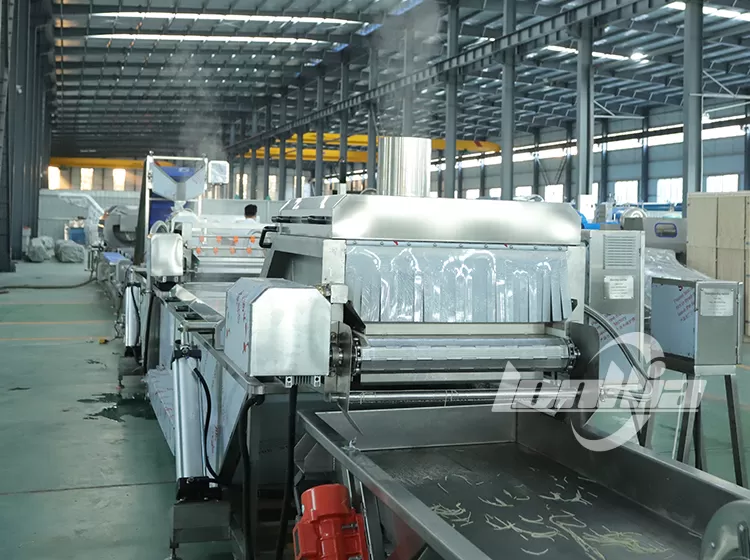
A vegetable blanching machine ensures precise control over the blanching process—something manual blanching cannot consistently achieve.
Industrial blanching machines offer:
Accurate temperature control (typically 85–100°C)
Adjustable blanching time for different vegetables
Uniform heat distribution
Immediate cooling integration
This precision ensures vegetables are blanched just long enough to protect nutrients without overcooking.
Types of Vegetable Blanching Machines
Hot Water Blanching Machines
Effective enzyme inactivation
Suitable for leafy and soft vegetables
Strong heat transfer for consistent results
Steam Blanching Machines
Lower water usage
Better retention of water-soluble nutrients
Ideal for large-scale industrial operations
Choosing the right type depends on vegetable variety, production capacity, and nutrient preservation goals.
Vegetables That Benefit Most from Blanching
Blanching machines are widely used for:
Broccoli, spinach, green beans
Carrots, peas, corn
Potatoes (before frying or freezing)
Mixed vegetables for frozen food lines
Each vegetable requires specific blanching parameters, which industrial machines can easily adjust.
Additional Benefits of Vegetable Blanching Machines
Beyond nutrient preservation, blanching machines provide several advantages:
Color stabilization, especially for green vegetables
Texture improvement, preventing toughness or sogginess
Reduced microbial load, improving food safety
Better product consistency, batch after batch
These benefits make blanching a critical step in modern vegetable processing lines.
How to Choose the Right Blanching Machine
When selecting a vegetable blanching machine, consider:
Required production capacity
Hot water vs. steam blanching
Energy and water efficiency
Food-grade stainless steel construction
Ease of cleaning and maintenance
Working with an experienced equipment manufacturer ensures optimal machine configuration for your processing needs.
Conclusion
What is vegetable blanching? It is a vital processing step that protects nutrients, stabilizes quality, and prepares vegetables for long-term storage or further processing. With a modern vegetable blanching machine, processors can achieve consistent results while preserving nutritional value and meeting food safety standards.
For vegetable processors focused on quality, efficiency, and nutrition, blanching technology is an essential investment.