
In the modern food processing industry, salad processing lines have become a critical investment for vegetable and ready-to-eat salad manufacturers. Proper installation and startup procedures not only ensure stable equipment performance but also maximize production efficiency and food safety. This guide focuses on key installation points from individual equipment to complete salad processing lines, startup and commissioning steps, and common considerations to address practical operational questions for customers.
Preparations Before Equipment Acceptance
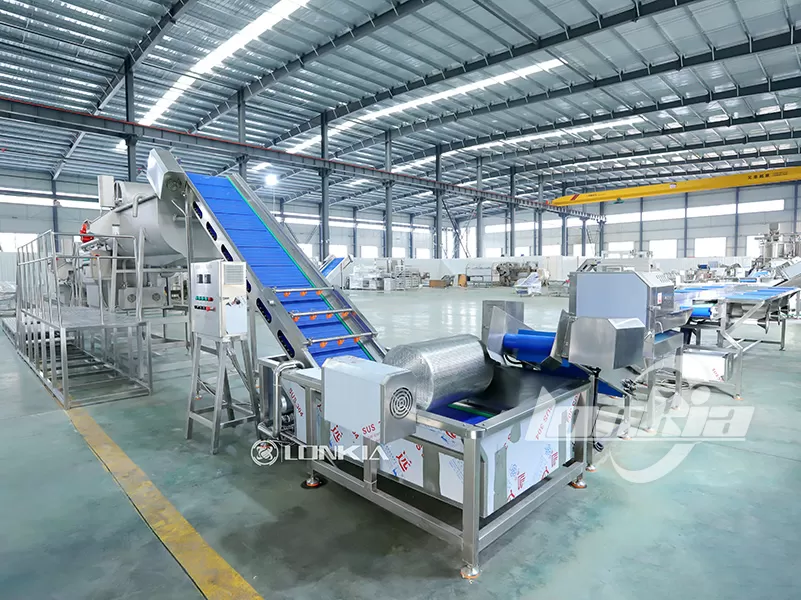
Prior to installing the salad processing line, conduct a thorough inspection of the equipment upon arrival at the facility. Upon receipt, verify the integrity of each machine, ensure all accessories are included, and check for any damaged components. Typically, modern salad processing lines consist of modules such as washers, cutters, elevators, and dehydrators. As each machine varies slightly in structure and function, meticulously cross-reference the manufacturer's provided checklist.
Simultaneously, ensure the production site meets these prerequisites:
- Level flooring with load-bearing capacity meeting equipment requirements
- Completed installation of water, electricity, drainage, and other infrastructure
- Sufficient space allocated for each machine's operation and maintenance
These preliminary preparations prevent delays or potential risks during installation.
Detailed Salad Production Line Installation Steps
1. Foundation Positioning and Equipment Layout
First, position each unit according to the layout diagram of the salad production line. Layout schemes may vary slightly between manufacturers, but it is generally recommended to arrange equipment in the direction of the production flow (feeding → washing → cutting → dehydration). During positioning, note the following:
- Leave sufficient maintenance space between machines
- Align the connection points between conveyor belts and elevators
- Place electrical control cabinets in easily accessible locations
This stage fundamentally establishes the stability of the entire fruit and vegetable processing line.
2. Mechanical Fixing and Connections
After positioning, mechanically secure the equipment. Use expansion bolts or brackets based on floor conditions to firmly anchor machines, preventing displacement during operation. Subsequently, connect conveyors, elevators, and other equipment according to the workflow to ensure smooth material flow throughout processing.
3. Electrical Wiring and Control System
Certified electricians must perform electrical installation. The electrical system for the salad production line includes:
- Main power supply connection
- PLC control system integration
- Sensor and actuator wiring
- Safety emergency stop switch assembly
Accurate electrical wiring is critical for production safety. Control systems from brands like Lonkia typically feature industrial-grade PLCs with touchscreen interfaces, offering user-friendly operation and adjustable parameters to simplify startup and debugging.
Startup and Commissioning Procedure
1. Inspection and Cleaning
Before powering on, ensure all components in contact with raw materials are clean and free of foreign objects, as this directly impacts subsequent product quality. Simultaneously verify that all safety devices, including sensors and emergency stop buttons, are functioning properly.
2. Trial Run and Parameter Setting
After energizing the equipment, conduct a single-machine trial run to sequentially check the operation of the washer, cutter, and conveyor. It is recommended to start with default settings for parameters like cleaning time and cutting speed, then gradually adjust based on material characteristics.
3. Full-Line Testing and Troubleshooting
After successful individual component testing, conduct a full-line trial run. Do not use actual production materials at this stage; instead, use a small amount of test material to verify smooth material flow while observing for abnormalities such as blockages or leaks. Test each section sequentially following the salad processing line sequence: cleaning → cutting → conveying → dehydration.
Common Issues and Solutions
1. Excessive Equipment Vibration
May result from uneven foundations or loose anchor bolts. Verify secure base fixation and readjust support point heights.
2. Suboptimal Cleaning Effect
Adjust the washer's water pressure, runtime, and cleaning mode according to the vegetable type. Different leafy greens tolerate varying water flow intensities; consider increasing recirculated water usage and spray intensity.
3. Inconsistent Cutting Dimensions
Inspect blade wear and secure mounting on the vegetable cutter. Adjust blade spacing and speed parameters as needed.
Conclusion
A properly installed and commissioned salad processing line enables businesses to achieve expected standards in both production efficiency and food quality. Through optimal layout, systematic debugging, and professional operator training, you can deliver high-quality, consistently supplied salad products to the market. If you're seeking a proven and reliable vegetable processing solution, consider Lonkia's mature automated production line offerings. With advanced design and robust after-sales support, they have successfully helped numerous clients achieve smooth production launches.