
Steam peeling is a common peeling method used in the processing of root and tuber vegetables and is suitable for ingredients such as potatoes, carrots, and beets. For food processing companies that need to further cut, cook, or package their products, understanding how fruit and vegetable peelers work can help them select the appropriate processing methods and improve both peeling quality and production efficiency.
How Steam Peelers Work?
1. High-Temperature Steam Separates the Skin from the Flesh
Fruit and vegetable peelers typically subject raw materials to brief steam treatment within a pressure vessel. High-temperature steam acts on the surface of the vegetables, altering the bond between the skin and the underlying tissue, thereby creating conditions conducive to subsequent peeling.
The effectiveness of the treatment depends on steam pressure, exposure time, raw material temperature, size, and the condition of the skin. The same processing parameters cannot be applied universally to different vegetables; testing based on the actual raw materials is required.
2. Rapid Pressure Release Promotes Skin Detachment
After steam treatment, the fruit and vegetable peeler rapidly depressurizes, creating a pressure differential between the surface and the interior of the produce, which causes the loosened skin to detach.
This process requires careful control of processing conditions. Insufficient steam treatment may result in excessive skin residue, while excessive treatment may compromise the quality of the produce's surface and flesh. Therefore, customers should focus on balancing peeling completeness with produce loss.
3. Surface Cleaning After Peeling
After steam treatment and pressure relief are complete, residual skin must typically be removed from the produce through brushing, spraying, or other appropriate methods. The specific configuration depends on the equipment design and subsequent processing requirements.
For products intended for dicing, slicing, or cooked packaging, the surface should be inspected after peeling for residual skin, produce integrity, and yield to ensure compliance with the requirements of the next processing step.
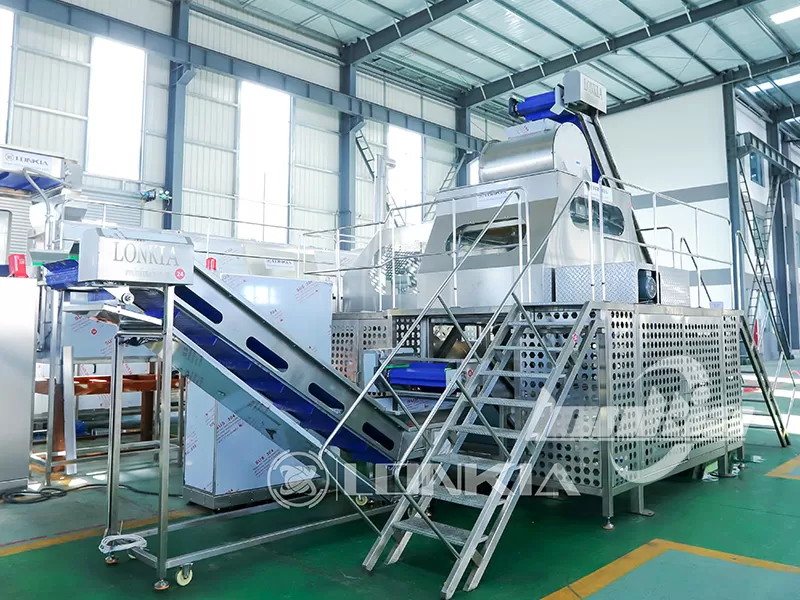
What Factors Affect the Effectiveness of Steam Peeling?
Raw Material Type and Specifications
Potatoes, carrots, and beets differ in skin characteristics, shape, and size. Even for the same vegetable, variations in ripeness, storage conditions, and raw material temperature across different batches can affect peeling performance. It is recommended to conduct tests using actual processing raw materials prior to procurement.
Steam Pressure and Processing Time
Steam pressure and processing time must be adjusted in conjunction based on the characteristics of the raw materials. Customers should focus on verifying whether the skin has loosened sufficiently, whether there is any residual skin after peeling, and whether flesh loss is within acceptable limits, rather than simply pursuing higher pressure or longer processing times.
Equipment Processing Capacity and Process Integration
The actual production capacity of a steam peeler depends not only on the batch load size but also on the processing cycle, loading and unloading methods, and subsequent cleaning procedures. If the fruit and vegetable peeler needs to be integrated with cutting, cooking, or packaging equipment, the processing cycle times for each stage should be confirmed in advance to avoid material backlogs or waiting times after peeling is complete.
What Parameters Should Be Verified Before Purchasing a Steam Peeler?
When selecting fruit and vegetable peeler, it is recommended to focus on verifying the following information:
- Suitable Raw Materials: Specify the types of vegetables to be processed, their size range, and the expected peeling results.
- Actual Processing Capacity: Verify the equipment's production capacity under target raw material and process conditions, rather than relying solely on rated specifications.
- Steam Requirements: Determine the required steam pressure, flow rate, and the facility's existing steam supply conditions.
- Equipment Configuration: Confirm loading/unloading, pressure relief, post-peeling cleaning, and any necessary auxiliary equipment.
- Quality verification: Evaluate residual peel, pulp loss, and suitability for subsequent processing through sample testing.
Lonkia can assist in assessing the configuration requirements for steam peeling machine based on the customer's raw material type, production cycle, and on-site steam conditions. Clarifying process parameters and conducting tests with actual raw materials prior to purchase helps select equipment better suited to the production process, ensuring that peel quality meets the requirements for subsequent processing.