
In the potato chips making plant and French fries processing line, washing is the first step and a critical factor affecting the quality of subsequent processing. If dirt and impurities on the potato surface are not thoroughly removed, it will directly impact follow-up processes such as slicing, peeling, and frying. Therefore, an increasing number of potato processing plants are adopting industrial potato washers to replace manual washing, thereby enhancing production stability and processing efficiency.
So, what key factors should food processing plants focus on when selecting industrial potato washers? This article provides practical guidance for procurement personnel, covering equipment structure, cleaning methods, and stability.
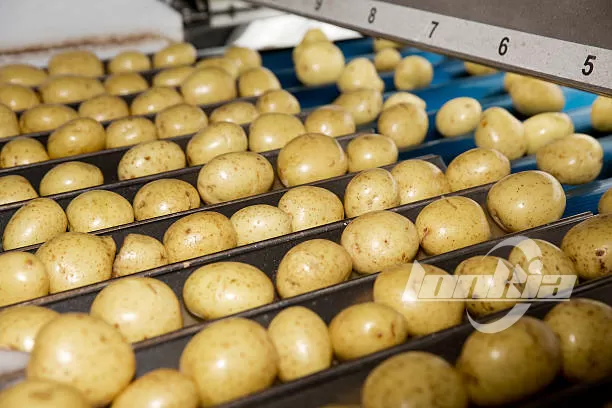
Basic Working Principle of Industrial Potato Washers
Industrial potato washers typically employ a combination of brush roller friction cleaning and high-pressure spray systems. As potatoes enter the equipment, rotating brush rollers continuously tumble them, removing surface dirt through friction. Simultaneously, the spray system continuously rinses away mud and impurities, ultimately achieving uniform cleaning results.
The advantages of this design include:
- Uniform cleaning with no blind spots
- Continuous operation suitable for production lines
- Stable cleaning process enabling extended runtime
In many French fries or potato chip processing plants, potato washers typically serve as the entry equipment for the entire production line, directly impacting raw material processing efficiency.
Focus on Equipment Structural Design
For food processing enterprises, equipment material and structure are critical factors when selecting industrial washers.
Premium potato cleaning machine typically employs food-grade 304 stainless steel construction, effectively preventing corrosion while facilitating easy cleaning and maintenance.
Simultaneously, rational structural design significantly enhances equipment stability, such as:
- Multi-group brush roller arrangement
- Stable conveying and tumbling design
- Independent drainage system
These structures enable continuous potato tumbling within the equipment, achieving 360° cleaning and avoiding localized cleaning deficiencies.
In practical applications, food machinery manufacturers like Lonkia typically optimize equipment structures to ensure greater stability, ease of operation, and suitability for extended continuous production.
Brush Roller Configuration Determines Cleaning Effectiveness
Brush rollers are among the most critical components in industrial potato washers, with different types suited for varying processing needs.
Common brush rollers include:
- Soft brush rollers: Primarily used for soil removal
- Hard brush rollers: Suitable for removing thicker soil layers
- Abrasive brush rollers: Capable of both cleaning and peeling
In actual production, adjusting brush roller types and rotational speeds allows adaptation to different potato varieties and varying soil adhesion conditions, ensuring consistent cleaning results.
Stable Operation is Key to Equipment Selection
For food processing plants, equipment stability outweighs short-term efficiency. A stable potato washing machine typically features:
- Stable motor and transmission system
- Minimal equipment vibration
- Continuous and smooth cleaning process
- Low failure rate
Stable operation not only reduces downtime for maintenance but also ensures continuous operation of the entire potato chips and French fries production line. This is particularly crucial for processing plants requiring extended runtime.
Selecting a Reliable Manufacturer is Equally Important
Beyond the equipment itself, the manufacturer's technical expertise and service capabilities deserve equal attention. Professional food machinery manufacturers can typically provide tailored equipment solutions based on client production needs and optimize equipment design.
For instance, Lonkia possesses extensive experience in fruit and vegetable processing equipment. Its industrial potato washers demonstrate excellent structural stability, cleaning efficacy, and durability, earning recognition from numerous food processing enterprises.
Conclusion
For food processing plants, a stable industrial potato washer not only enhances raw material cleaning quality but also ensures smooth production line operation. During equipment selection, prioritize evaluating structural design, brush roller configuration, and overall stability. Only by choosing suitable equipment can potato processing efficiency be genuinely enhanced, laying a solid foundation for subsequent production stages.
If your enterprise is planning a potato processing line, selecting a well-designed, stable industrial potato washer represents a crucial step toward boosting production efficiency. Should you require such high-performance vegetable cleaning equipment, contact us immediately.