
When purchasing a potato washing machine, many customers first focus on how many potatoes the equipment can process per hour. However, you cannot base your selection on a single production-capacity figure. Raw material specifications, feed methods, cleaning requirements, brush roller configurations, and the processing speed of downstream equipment all affect the machine's actual performance.
Selecting the appropriate processing capacity allows potatoes to enter the washer continuously, reducing material buildup while ensuring both cleaning time and cleaning effectiveness.
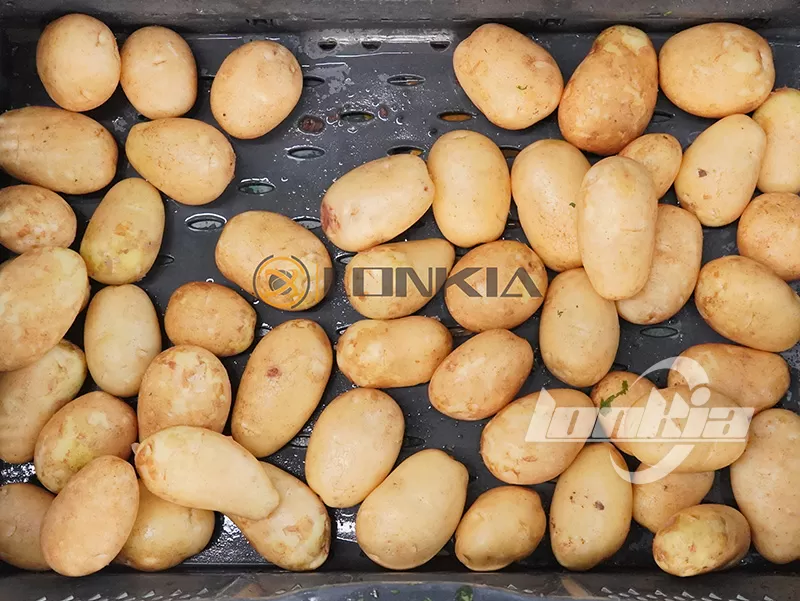
Determining the Actual Required Throughput
For example, just because a factory needs to process 40 metric tons of potatoes per day does not mean it requires a potato cleaning machine with a capacity of 40 metric tons per hour. The calculation should be based on the actual daily operating hours:
Required hourly throughput = Daily throughput ÷ Daily operating hours
If the planned daily operating time is 8 hours, then a daily throughput of 40 metric tons corresponds to an average hourly throughput requirement of approximately 5 metric tons per hour.
Additionally, factors such as equipment startup, shutdown, product changeovers, and production line cycle times must be considered; therefore, a reasonable margin should be factored into the processing capacity when selecting the actual model.
Focus on the Cleaning Effectiveness After Potatoes Enter the Machine
A potato washing machine is not merely designed to pass potatoes through the equipment quickly. Potatoes must achieve sufficient contact between the brush rollers so that surface soil and impurities can be removed through brushing and water flow.
LONKIA employs a parallel brush roller configuration and allows for adjustment of brush speed and pressure based on different materials, enabling the equipment to handle root and tuber crops such as potatoes, carrots, radishes, and sweet potatoes.
If the feed speed is increased without adjusting the cleaning intensity accordingly, soil may remain on the surface of the potatoes even after they have passed through the machine.
Consider Brush Configuration Based on Raw Material Characteristics
The degree of soil adhesion, as well as the size and shape of potatoes, varies. Raw materials with heavier soil typically require more thorough brushing, while potatoes with relatively clean surfaces can be processed at a more appropriate operating speed.
Therefore, when purchasing potato washing machine, it is recommended to provide the supplier with the following information:
- Average potato size
- Hourly processing capacity
- Condition of soil on the raw material surface
- Whether peeling is required in subsequent processing
- Continuous operating time
- Confirm whether the equipment is compatible with subsequent processing steps
If the potato washing machine needs to be connected to a peeler, cutter, slicer, or French fry processing equipment, the processing capacities of the upstream and downstream equipment should be matched as closely as possible.
For example, if the upstream washing capacity is significantly higher than that of the downstream cutting equipment, it can easily lead to material backlogs; conversely, it may cause downstream equipment to wait for feed.
Therefore, the correct capacity of the potato washing machine should be determined based on the entire processing line, rather than selected in isolation.
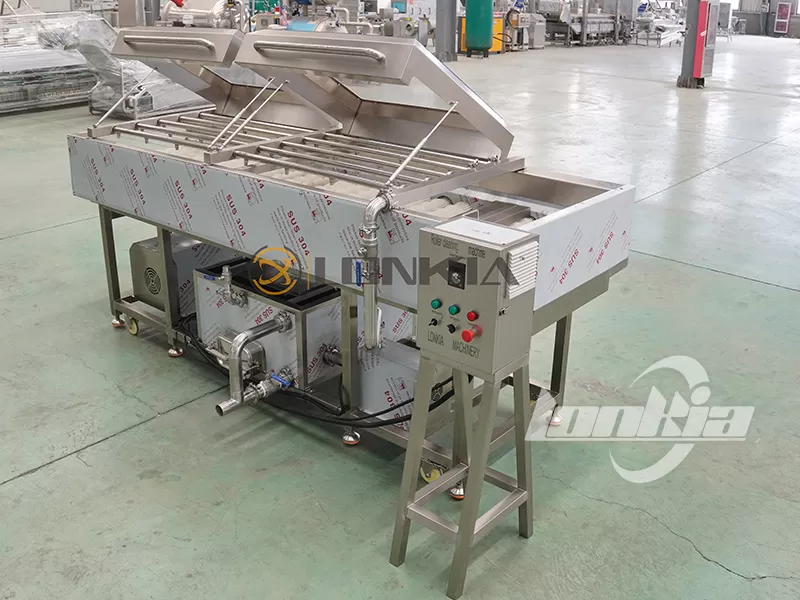
Don't Overlook Maintenance When Selecting Equipment
During continuous processing, the brush rollers are directly involved in washing the potatoes, so their wear resistance and ease of maintenance are equally important. The equipment’s design should facilitate disassembly and cleaning to allow for timely inspection of the brushes and related components.
LONKIA's brush rollers and related components feature a design that facilitates disassembly and maintenance, aiding in daily cleaning and equipment inspections.
How to Determine the Right Potato Washing Machine?
Before formally requesting a quote, it is recommended to prepare information on the target processing capacity, potato specifications, raw material condition, daily operating hours, and subsequent processing steps. Suppliers use this information to further determine brush configurations, equipment dimensions, and specific processing capacity—a more reasonable approach than simply purchasing based on the "bigger is better" principle.
If you are planning a potato processing project, LONKIA can provide tailored potato washing machine configuration recommendations based on your actual raw materials and production process, helping you identify the most suitable equipment solution.